





Search Results
Confectionery
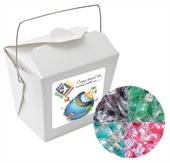
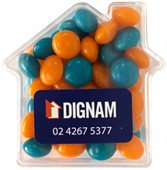
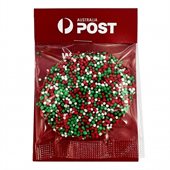
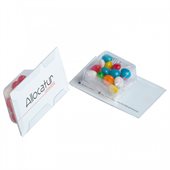
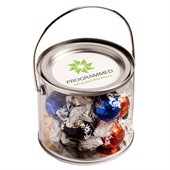
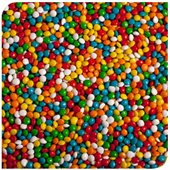
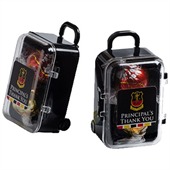
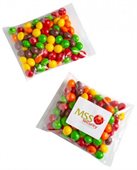
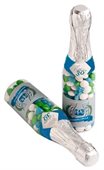
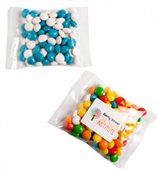
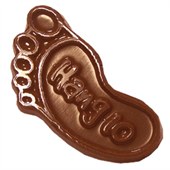
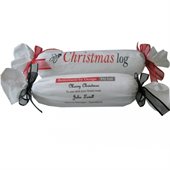
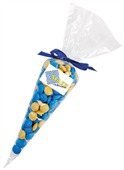
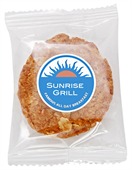
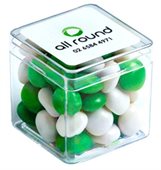
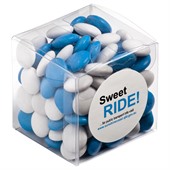
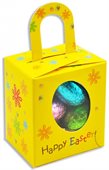
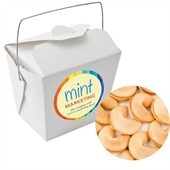
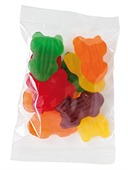
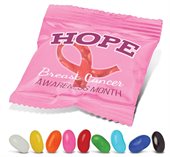
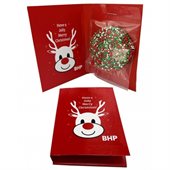
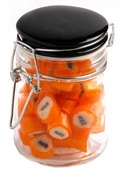
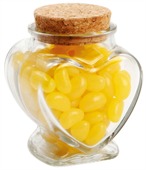
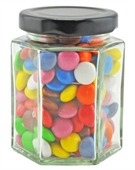
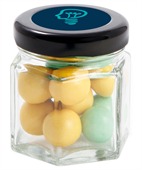
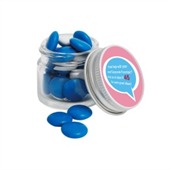
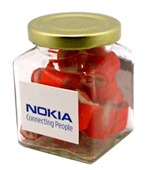
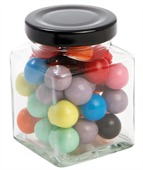
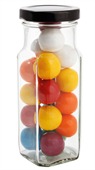
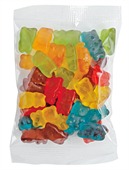
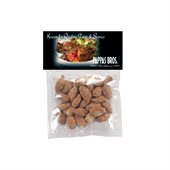
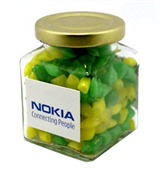
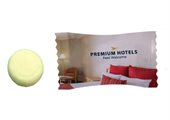
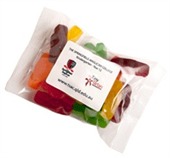
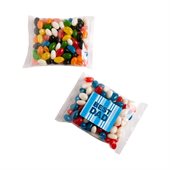
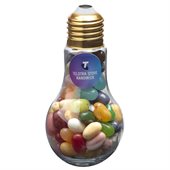
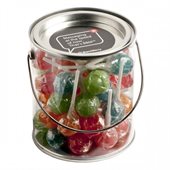
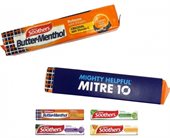
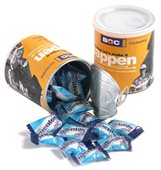
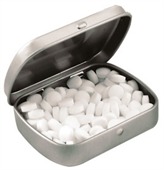
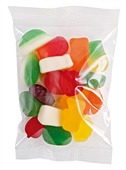
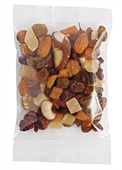
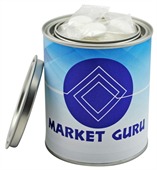
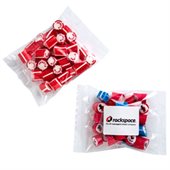
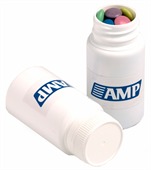
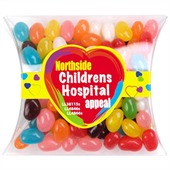
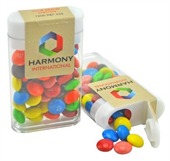
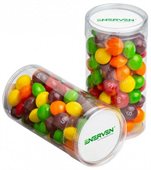
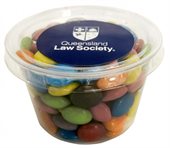
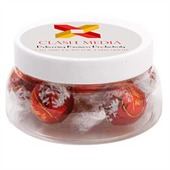
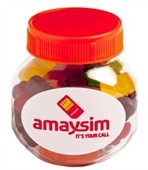
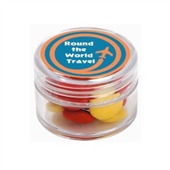
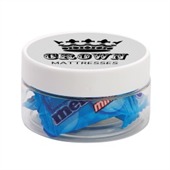
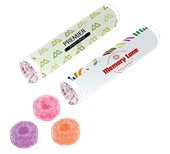
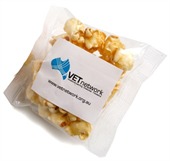
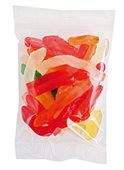
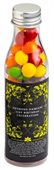
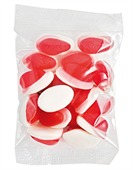
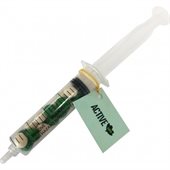
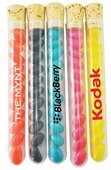
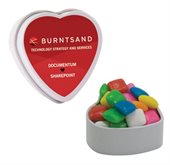
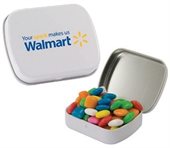
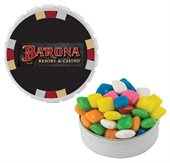
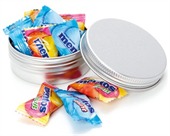
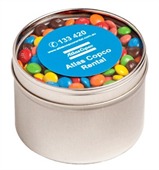
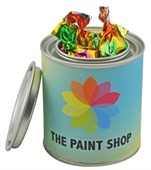
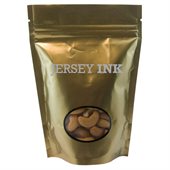
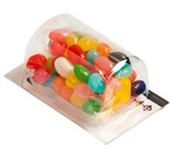
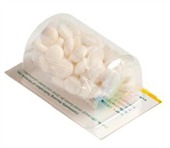
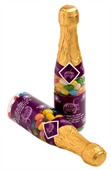
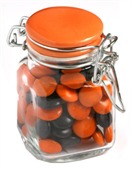
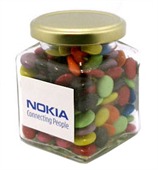
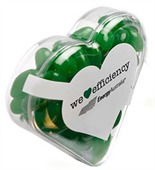
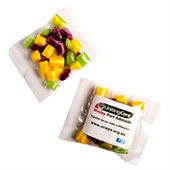
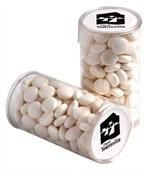
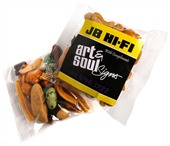
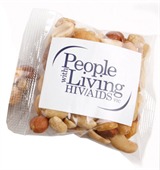
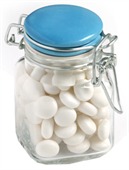
Different types of confectionery are used across events, hospitality venues, exhibitions, product launches and customer gifting programs. Popular options include Promotional Mints, Promotional Jelly Beans, chocolate products, lolly bags, confectionery cubes, gift jars and individually wrapped sweets. Products are available in a range of packaging formats, from small handout items through to larger containers designed for reception areas, meeting rooms and event displays.
Confectionery products vary in both the type of sweets supplied and the packaging used to present them. Some ranges focus on individually wrapped mints and candies suited to conferences and trade shows, while others feature bulk-filled jars, tins, boxes and bags intended for longer-term distribution. Packaging materials may include plastic containers, glass jars, cardboard boxes, resealable pouches and metal tins, depending on the product style and intended use.
Our Popular Promotional Products in Confectionery


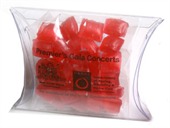
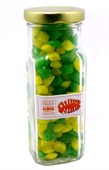
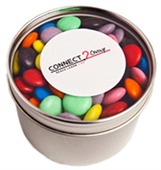
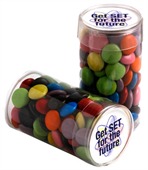

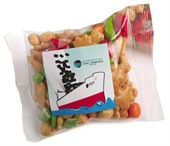
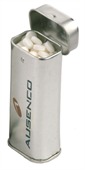
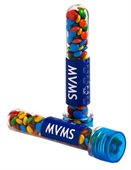
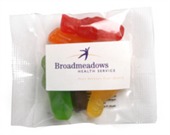
How Confectionery Packaging & Product Types Differ
Confectionery products can be grouped by both the type of sweet supplied and the packaging used to contain it. Mints and jelly beans are among the most commonly used options due to their long shelf life and suitability for individual distribution. Other products may include chocolate squares, boiled sweets, chewing gum, liquorice, fruit-flavoured candies and mixed confectionery assortments. Product selection is often influenced by storage requirements, temperature sensitivity, serving size and whether the confectionery is supplied loose, individually wrapped or pre-packed into containers.
Packaging formats vary considerably across the category. Small containers such as mint dispensers, pillow packs and individual lolly bags are commonly distributed at exhibitions, conferences and reception counters. Larger formats including plastic jars, glass containers, tins and gift boxes are often used where confectionery remains available over an extended period. Packaging materials, sealing methods and container sizes can affect product freshness, shelf life, transport requirements and the amount of confectionery supplied within each unit.
Mints are often chosen for reception desks, conferences, hospitality venues and meetings because they are individually portioned and easy to distribute. Jelly beans are usually selected when colour, flavour variety and clear packaging are more important. The main difference is that mints are generally more formal and compact, while jelly beans provide more colour variation and visual detail.
Packaging can influence how well confectionery is protected from air, moisture, heat and handling. Sealed bags, tins, jars and wrapped sweets usually help preserve freshness better than open or loose formats. Shelf life still depends on the product type, ingredients and storage conditions, particularly for chocolate and heat-sensitive sweets.
Different sweets react differently to heat, humidity and sunlight. Chocolate can soften or bloom in warm conditions, while some hard sweets may become sticky if exposed to moisture. Mints, jelly beans and wrapped candies are generally easier to store, but they should still be kept in a cool, dry place before distribution.
Individually wrapped confectionery is commonly used where hygiene, portion control and easy distribution matter. It is often selected for conferences, hotels, healthcare settings, reception areas, trade shows and event handouts. Wrapped sweets also reduce direct handling, which can be important in shared or public environments.
Confectionery can be used at outdoor events, but product choice should account for weather and storage conditions. Mints, jelly beans, wrapped lollies and sealed candy bags are generally more suitable than chocolate in warm conditions. For outdoor use, packaging that protects the contents from heat, moisture and handling is usually preferred.
Our product specialist, Rebecca, says: "For conferences, exhibitions and registration desks, mints are often the easier option because they are compact, individually portioned and less affected by warm conditions. Jelly beans can create a stronger visual display, particularly when presented in clear bags, jars or containers. If an event runs for several hours or spans multiple days, I generally recommend mints because they are easier to store, transport and distribute throughout the event."
Confectionery Types, Packaging Formats & Usage Environments
Confectionery products include mints, jelly beans, chocolates, boiled sweets, chewing gum and mixed candy assortments supplied in formats such as individual wrappers, pillow packs, plastic containers, tins, gift boxes and glass jars. Product selection is often influenced by shelf life, temperature sensitivity, serving size and distribution method. Individually wrapped mints are commonly used in meetings and reception areas, while jelly beans and mixed lollies are frequently supplied in bags, jars and display containers for events and hospitality settings. Explore the range to compare confectionery types, packaging options and product formats for different distribution requirements.