





Search Results
Custom Medallions
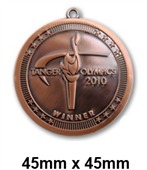
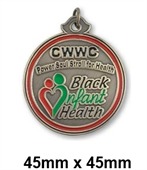
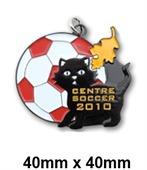
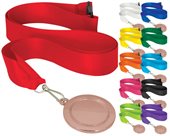
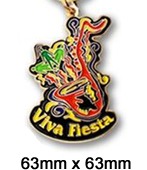
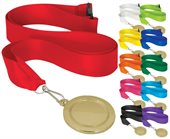
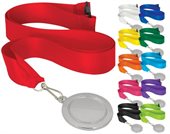
Medallions are the ultimate symbol of achievement for sporting clubs, academic programmes, and corporate award ceremonies. We supply a professional range of Die-Cast Medallions that hold fine detail for a prestigious finish, alongside Podium Medals in various colours. These items provide a permanent and respected mark of success, ensuring that every winner feels a genuine sense of pride and recognition.
Medallions are available in a range of sizes, finishes and styles to suit everything from school sports days and community competitions through to major sporting events and corporate recognition programs. Gold, silver and bronze finishes are commonly used to distinguish award levels, while different medallion styles can help reflect the significance of the achievement being recognised.
Our Popular Promotional Products in Medallions

How Different Medallions Are Made
Medallions can be produced using several manufacturing methods, each creating a different appearance and level of detail. Die cast medallions are formed by injecting molten metal into a mould, allowing for complex shapes, raised elements and intricate designs. Die struck medallions are created by pressing metal between engraved dies, producing crisp lines and defined surface detail that are commonly associated with traditional sporting, recognition and commemorative medals.
Material selection can also influence the finished product. Brass is often chosen where fine detail and a polished appearance are important, while iron-based medallions provide a durable alternative for many award and event applications. Additional finishes such as antique plating, polished plating, colour infill and textured surfaces can further alter the appearance of a medallion. These manufacturing and finishing processes help create medals suited to sporting competitions, corporate recognition programs, anniversaries and commemorative events.
div class="faq-item">Are die struck medals better than die cast medals?Neither method is universally better, as each offers different advantages. Die struck medals are often chosen for their crisp detail and traditional appearance, while die cast medals allow for more complex shapes, cut-outs and three-dimensional designs.
The level of detail is influenced by the manufacturing method, material selection and the quality of the tooling used to create the design. Die struck medals are often selected when fine lines, text and intricate artwork need to be reproduced clearly.
Durability depends on both the plating process and how the medal is handled after production. Antique finishes can help disguise minor scratches and wear, while polished finishes may show handling marks more readily over time.
Yes. Many die cast medals are manufactured in custom shapes that reflect specific sports, events, logos or themes. Custom shaping allows greater design flexibility than traditional circular medal formats.
Brass is capable of reproducing fine detail and can achieve a polished appearance that suits commemorative and recognition programs. It is commonly used where presentation quality and design clarity are important considerations.
In many cases, ribbons experience more handling, folding and exposure than the medal. As a result, ribbon wear can become visible before the medal shows significant signs of ageing, particularly when medals are worn regularly.
Exposure to air, moisture, skin oils and environmental conditions can gradually affect some metal finishes. Storage conditions and the type of plating used can influence how quickly visible tarnishing develops.
Our product specialist, Allan, says: "One of the first things recipients notice when they receive a medal is its weight. A heavier medal often feels more substantial and memorable, even when the visual design is similar to a lighter alternative. In my experience, perceived quality is influenced as much by the medal's weight and thickness as it is by the artwork, plating or finish."
Need Help Choosing Custom Medallions?
Custom medallions are a popular choice for sporting events, schools, clubs and recognition programs. With a range of styles and finishes available, we can help you find a suitable option for your event. Contact us today for a quote and advice on selecting the right medallions for your awards presentation.