





Search Results
Car Keyrings
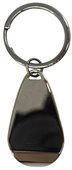
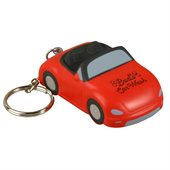
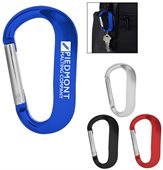

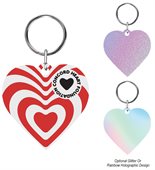
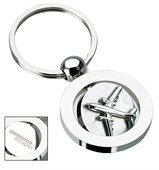
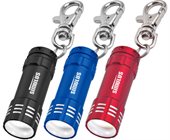
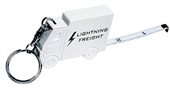
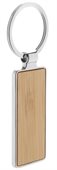
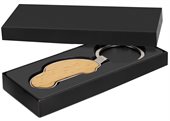
Car keyrings in this collection are shaped to reflect vehicle outlines, with differences in size, surface area and construction across the range. These variations affect both the visual presentation and the usable space for branding. Some designs use minimal outlines to create a compact format, while others feature fuller body shapes that increase the printable area. Material choice and finish also influence the final appearance, from smooth metal surfaces to coated designs.
These variations guide how the product is used in promotions. Smaller designs are suited to wide distribution, while larger or more defined styles are selected when the item is expected to remain in use. The car shape maintains a clear connection to automotive messaging throughout the campaign.
Branding is applied using printing or engraving on the flat surface of the car shape. The logo is positioned along the body of the design or centred depending on the available space. Engraving is used on metal surfaces for a permanent mark, while printing allows for more detailed artwork and colour.
Common Questions
Who typically uses car-shaped keyrings for promotions?
They are commonly used by automotive businesses, dealerships and service centres. The shape directly links the product to vehicles and transport-related services.
What makes car keyrings different from standard keyrings?
The car shape creates an immediate visual connection to the automotive industry. This makes the product more relevant to the audience compared to generic shapes.
Where are car keyrings usually distributed?
They are often handed out at vehicle purchases, servicing appointments or promotional events. This ties the product directly to the customer interaction point.
How is branding applied to car keyrings?
Branding is applied to the flat surface of the car shape using printing or engraving. The logo is positioned centrally or along the body of the design for visibility.
When should engraving be used instead of printing?
Engraving is used on metal surfaces where a permanent mark is required. Printing is selected when the artwork includes finer detail or multiple colours.