





Search Results
Die Struck Antique Lapel Pins
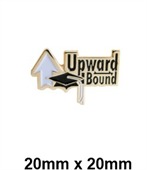
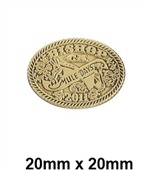
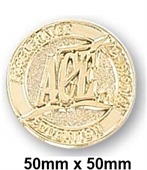
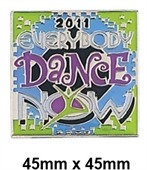
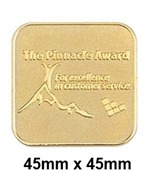
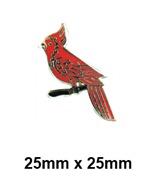

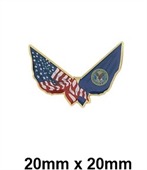
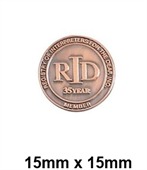
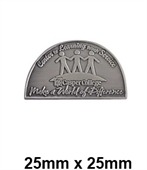
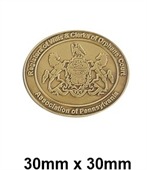
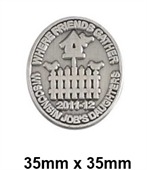
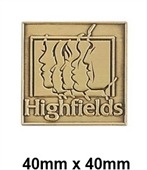
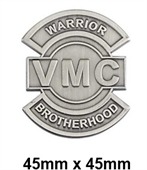
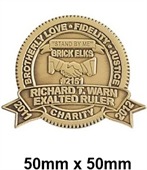
Die striking presses the artwork into a sheet of metal, producing a surface of raised relief areas and recessed areas that follow the lines of the design. An antique wash then darkens the recessed areas and settles across the surface. Hand polishing removes the wash from the raised areas, leaving them at a lighter tone of the same metal. The contrast between the dark recesses and the lighter raised areas is what produces the antique look. It is a colourless finish where depth and light do the work that colour fill does in enamel pins. Finishes available are antique brass, antique silver, antique copper, and antique gold; gold plating carries an additional cost. Sizes run from 15mm to 50mm.
An RSL chapter ordering antique brass pins for members, a secondary school ordering antique silver pins for sports award presentations, or a rowing club commissioning antique copper pins for its annual regatta each suits the die struck antique format because the heritage quality of the finish connects naturally to the occasion it marks and to the institutional identity it represents.
The two-tone effect works particularly well for crests and heraldic designs with clear line structure. The dark recesses trace the engraved lines while the polished raised areas bring the central elements forward.
Things to Know
What makes die struck antique different from other die struck pin finishes? Die struck pins can be finished in several ways including high polish, sandblast, iron, and antique. The antique finish specifically applies a wash that darkens into the recesses, then hand polishing lifts the raised areas to a lighter tone of the same metal, producing a two-tone aged appearance no other die struck finish achieves.
Which finish suits a heritage or traditional organisation? Antique brass gives a warm, aged tone that suits clubs with a long history or traditional identity, including RSL branches, bowls clubs, and historical societies. Antique silver suits formal award contexts and corporate applications, while antique copper suits organisations where the warmth of the metal complements the design.
Does the artwork need to be designed specifically for the die struck antique process? Artwork with clear line structure and meaningful relief depth works best, while very fine detail may lose definition in the recessed areas and large flat areas show less two-tone contrast. Checking artwork against the process requirements before finalising the design avoids results where the antique effect is less visible than intended.
Is gold the most expensive finish option? Gold plating carries an additional cost beyond the standard price for brass, silver, and copper because the plating process involves an extra production step. Confirming the gold pricing at the quoting stage is the clearest way to understand the full cost before committing.