





Search Results
Hi Vis Rain Gear
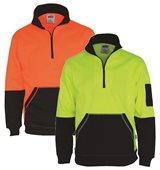
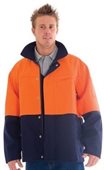
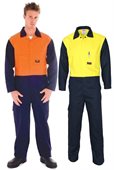
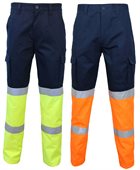
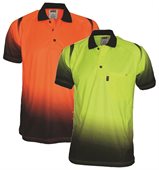
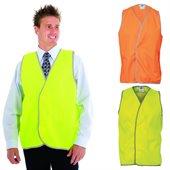
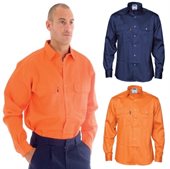
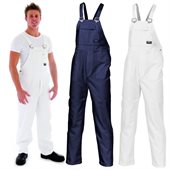
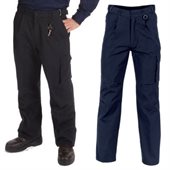
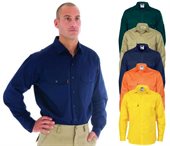

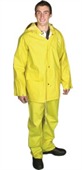
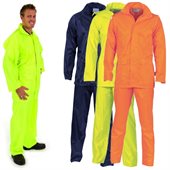
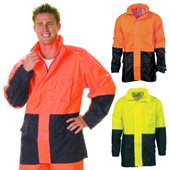
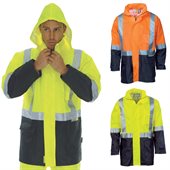
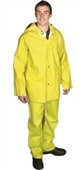
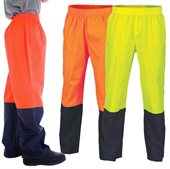
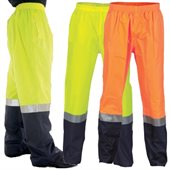
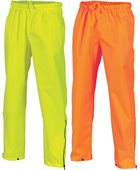
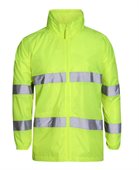
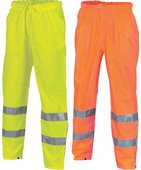
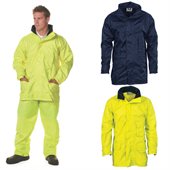
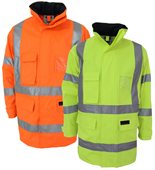
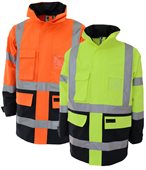
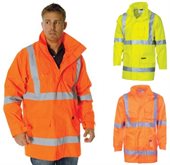
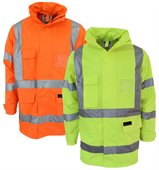
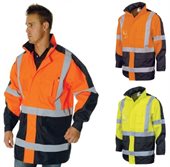
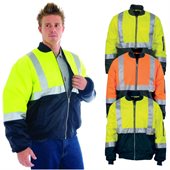
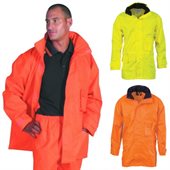
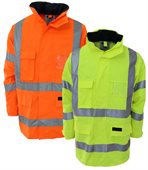
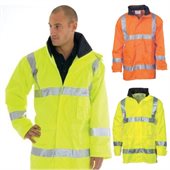
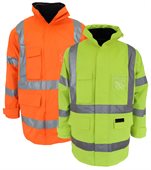
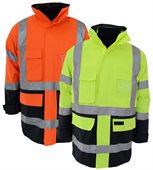
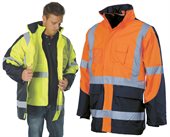
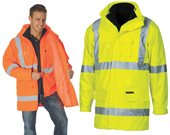
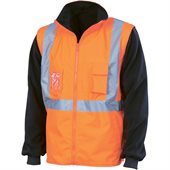
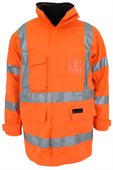
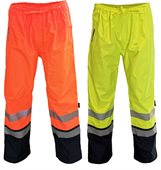
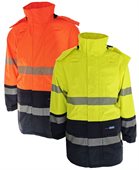
The primary job of hi vis rain gear is to keep workers dry and visible when both conditions are active at the same time. The range here is organised around the level of technical protection required. Waterproof polyester jackets cover the straightforward need. They provide rain protection over a hi vis shell without reflective tape, suited to sites where all work is done in daylight and rain protection is the only additional requirement. Reflective tape jackets add H-pattern, biomotion, or X-back tape to the waterproof shell, meeting the AS/NZS 4602.1:2011 Class D/N requirement for workers near traffic at night or in low light. Breathable jackets step up further with a membrane construction that manages body moisture during physical work in sustained rain, preventing the internal dampness that a sealed waterproof jacket creates over a long shift. At the most versatile end, 6-in-1 jackets convert between full jacket, vest, and long and short sleeve configurations, giving a single garment that adapts to changing conditions across a shift rather than requiring separate pieces. Rain pants close the loop, from entry-level PVC styles through to breathable hi vis rain pants with 3M reflective tape that meet day and night compliance requirements from the waist down.
Outdoor crews in civil works, road maintenance, rail, and traffic control who work through wet weather need gear that does the compliance job and the protection job simultaneously. A branded hi vis rain jacket with biomotion tape does both on every shift that goes ahead in the rain.
A rain set, jacket and pants packaged together, is also available for a complete wet weather solution in a single order.
Technical & Compliance
What is the difference between a waterproof jacket and a breathable waterproof jacket?
A waterproof jacket uses a coated or laminated shell that blocks rain from penetrating. The limitation is that it also blocks moisture vapour from escaping, so body heat and sweat build up inside the garment during physical work. A breathable waterproof jacket uses a microporous membrane that allows water vapour to pass through from the inside while still blocking liquid water from the outside. The result is a jacket that keeps rain out and allows sweat to escape, which keeps workers drier and more comfortable over a long shift. Breathable jackets carry a higher price point and are most worth the difference for crews doing sustained physical outdoor work in heavy rain.
Do all the reflective tape rain jackets meet AS/NZS 4602.1:2011 Class D/N?
Compliance varies by style. Day-only waterproof jackets without reflective tape meet the daytime requirement only. Jackets with reflective tape in compliant configurations generally meet Class D/N for day and night use, but the specific compliance rating is confirmed on the individual product page. For Queensland traffic control and NSW/Victorian road work environments that have specific compliance requirements, it's worth confirming the rating on the product page before ordering.
What is a 6-in-1 jacket and when does it make sense to order one?
A 6-in-1 jacket is a single garment that converts between multiple configurations: typically a full-length waterproof jacket, a vest, and long and short sleeve variations achieved by removing or attaching sleeves and the inner layer. One jacket covers the range of conditions a crew might face through a shift, from cold and wet in the morning, lighter conditions through the afternoon, or switching between outdoor exposure and indoor work. The trade-off is cost, as 6-in-1 styles sit at the upper price tier. For crews where conditions are genuinely variable and carrying multiple garments is impractical, the 6-in-1 provides real value.
Can rain pants be ordered as a standalone item without a matching jacket?
Rain pants are available as separate items. PVC waterproof styles, lightweight trousers, and breathable hi vis rain pants with 3M reflective tape can all be ordered independently. This suits businesses that already have waterproof jackets and only need to extend lower-body coverage, or where only some roles require full wet weather protection from the waist down.